
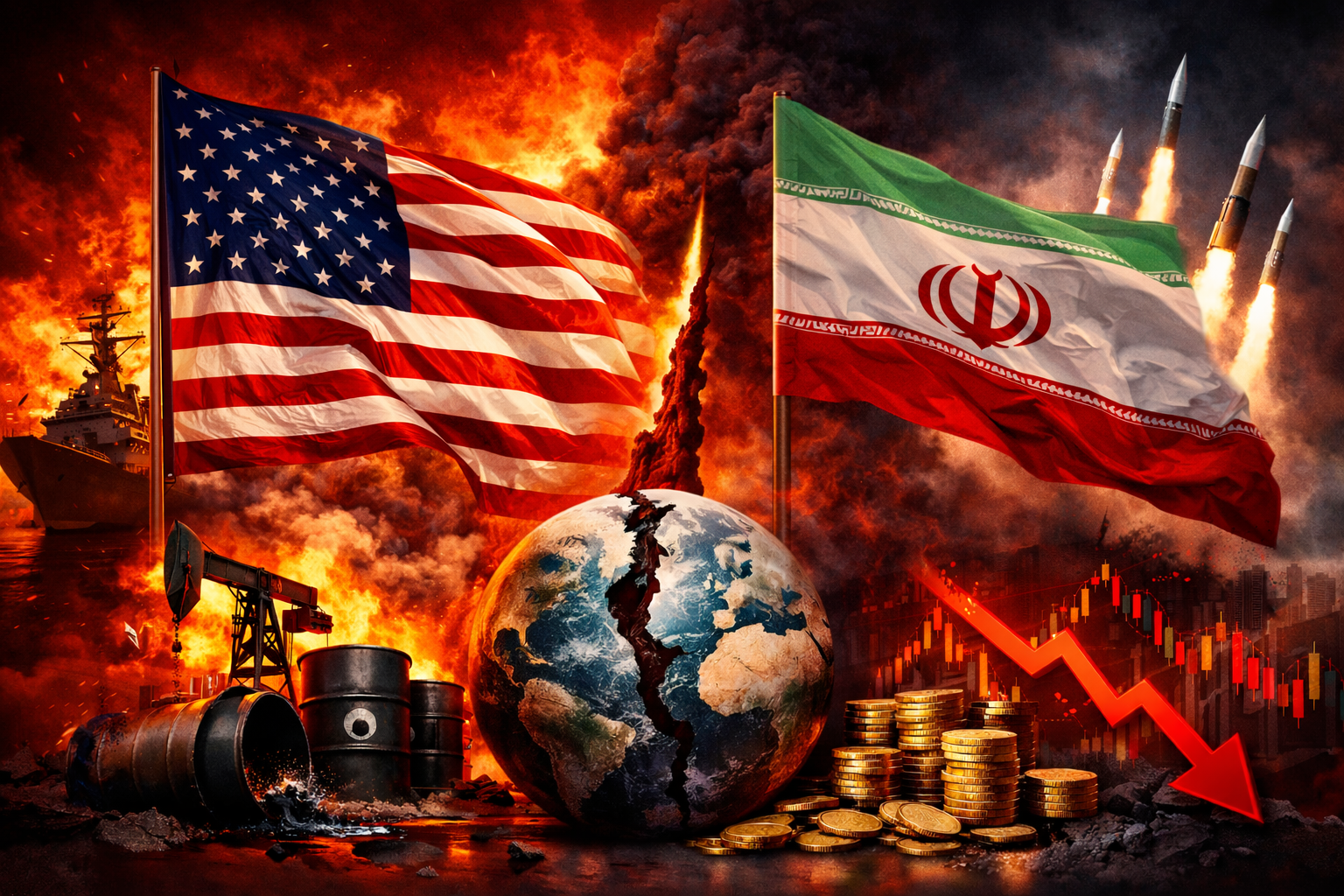
The AI vs cyber warfare US Iran conflict is no longer just a theory. It is already happening quietly, digitally, and at scale.
While headlines focus on missiles and drones, a parallel war is unfolding behind the scenes. This hidden battle combines artificial intelligence, cyberattacks, and information warfare.
And it may be even more important than the physical conflict.
The Rise of AI and Cyber Warfare in Modern Conflict
Modern warfare is no longer limited to physical attacks. Instead, countries now rely heavily on cyber operations and AI systems.
In the US–Iran conflict, both sides are using:
-
cyberattacks on infrastructure
-
AI-powered intelligence systems
-
digital surveillance and targeting
-
information manipulation
For example, cyber operations have already been used to disrupt Iranian command systems before physical strikes.
At the same time, AI tools are helping analyze data, identify targets, and speed up decision-making.
Iran’s Cyber Strategy: Quiet but Persistent
Unlike traditional warfare, Iran’s cyber approach is often slow and strategic.
Experts suggest Iran focuses on:
-
exploiting weak systems
-
targeting critical infrastructure
-
amplifying small attacks into larger psychological impact
Recent warnings show that Iranian-linked hackers are actively targeting U.S. systems, including industrial infrastructure.
Additionally, officials believe Iran prefers “low and slow” cyber operations rather than large-scale attacks.
This makes the threat harder to detect — and more dangerous over time.
The US Advantage: AI-Driven Warfare:
The United States is taking a different approach. It is integrating artificial intelligence deeply into military operations.
AI is now used for:
-
target identification
-
intelligence analysis
-
logistics and coordination
-
real-time decision-making
In fact, AI systems have already helped identify and prioritize thousands of targets within hours during operations.
This shows how AI is accelerating warfare — making it faster than ever before.
Cyber + AI: A New Type of War:
The real shift is not AI alone or cyber warfare alone. It is the combination of both.
This hybrid model includes:
-
AI-powered cyberattacks
-
automated vulnerability detection
-
real-time battlefield data processing
-
AI-generated propaganda and misinformation
For instance, AI-generated fake images and videos have already spread widely during the conflict, influencing public perception.
As a result, the battlefield is no longer just physical — it is digital and psychological.
Why This Hidden War Matters:
This AI vs cyber warfare conflict has major implications.
First, wars are becoming less visible. Much of the damage happens in systems, networks, and data.
Second, speed is increasing. AI reduces decision time from hours to seconds.
Third, civilian infrastructure is now a target. Cyberattacks can affect energy, healthcare, and finance systems.
According to recent warnings, state-backed cyber threats from countries like Iran are rising rapidly and becoming more advanced with AI support.
The Future: Invisible but More Powerful Wars:
The US–Iran conflict shows that the future of warfare is changing.
It is no longer just about weapons. It is about:
-
data
-
algorithms
-
networks
-
intelligence systems
AI vs cyber warfare is not a future scenario. It is already shaping how conflicts are fought today.
Read Next: https://mediablizz.com/ai-defense-alliance/