

Digital twin in surgical planning is transforming how surgeons prepare for complex procedures. Instead of relying only on scans and experience, doctors now use detailed 3D models that mirror a patient’s real anatomy. As a result, surgical planning becomes more accurate, safer, and highly personalized.
Today, hospitals increasingly adopt digital twin technology to improve outcomes and reduce surgical risks.
What Is Digital Twin in Surgical Planning?
Digital twin in surgical planning refers to creating a virtual copy of a patient’s anatomy using medical imaging data such as CT scans and MRIs. These scans convert into realistic 3D models that show organs, bones, and tissues in precise detail.
Because surgeons can interact with these models before surgery, they gain a clearer understanding of the patient’s condition. This approach allows better planning and fewer surprises in the operating room.
How 3D Models Improve Surgical Planning:
3D models help surgeons see anatomy from every angle. Instead of flat images, they work with depth, size, and structure in real scale. Therefore, surgeons can test surgical paths, evaluate challenges, and choose the best approach before making an incision.
Moreover, this preparation increases confidence and improves decision-making during surgery.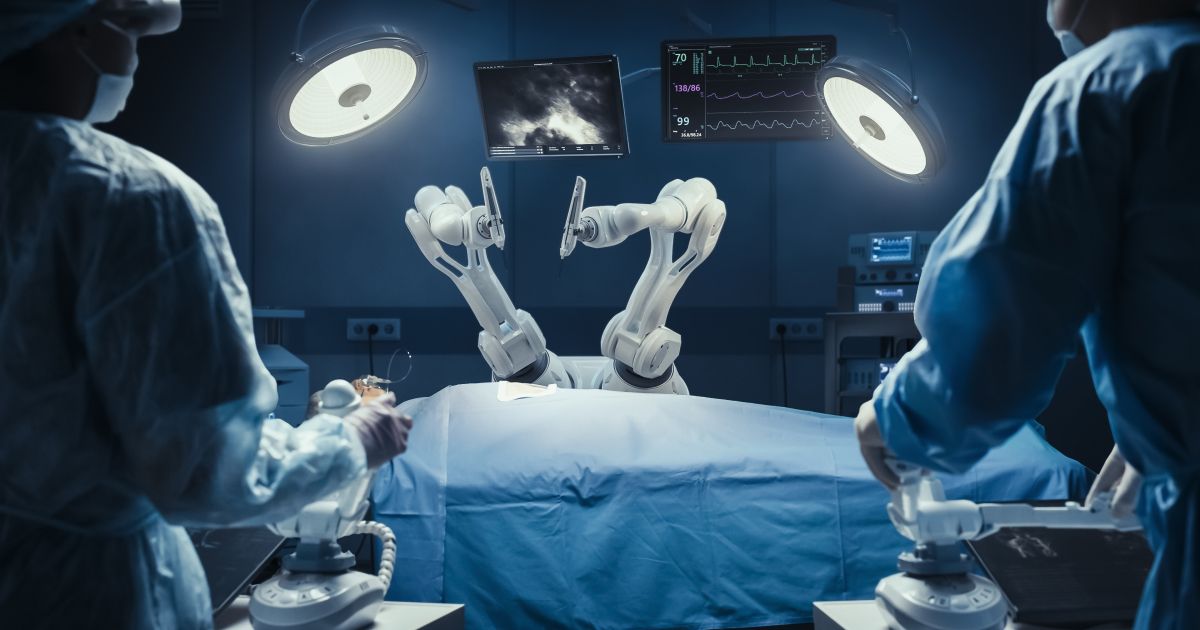
Key Benefits of Digital Twin in Surgical Planning:
Digital twin technology brings clear advantages to modern surgery. First, it improves accuracy by showing exact anatomical details. Next, it reduces complications by helping surgeons plan around critical structures. Finally, it supports personalized treatment tailored to each patient.
Because of these benefits, many healthcare providers now treat digital twins as an essential planning tool.
Where Digital Twin Technology Is Used:
Digital twin in surgical planning supports many medical fields, including orthopedic, cardiovascular, and neurological surgery. In addition, it plays a growing role in minimally invasive and robotic procedures, where precision matters most.
As technology evolves, its use continues to expand across healthcare systems worldwide.
Future of Digital Twin in Surgical Planning:
In the future, digital twins will become even more powerful. With artificial intelligence and real-time data, these models may update during surgery and predict outcomes before complications occur. Consequently, surgery will become safer, faster, and more patient-focused.
Digital twins in surgical planning are reshaping modern healthcare. By using accurate 3D models, surgeons can plan better, reduce risks, and improve patient outcomes. As adoption grows, digital twin technology will set new standards for precision and safety in surgery.
Read Next: https://mediablizz.com/2026-winter-olympics-opening-ceremony/